
Verbs Charades – Big List of 360 Ideas
Learning English verbs can be tricky, especially in ESL classes. Mastering type of verbs like regular and irregular verbs, modal verbs, linking verbs, and auxiliary verbs among others can confuse even the native speakers. That’s why finding fun, hands-on ways to learn and practice verbs is so helpful.
One of the best ways to make verbs come alive in the classroom is with charades. This classic game naturally encourages students to use the present progressive form because they are acting out actions in the moment. It helps students learn new verbs by seeing their meanings in action, watching their classmates act them out, and hearing the different guesses (which often include synonyms or related words).
To play, write a list of verbs on small slips of paper and put them in a bag. Students can then take turns picking a verb and acting it out while their classmates guess. For a more effective learning experience, have students call out their guesses in full sentences rather than just saying the verb. This simple twist helps reinforce grammar while keeping the class active, engaged, and having fun.
To keep the game fresh, you need a large collection of verbs that you can swap out each time. We’ve done the hard work for you and compiled a comprehensive list of verbs that are ideal for ESL students to learn through charades. Of course, our list isn’t exhaustive and should serve only as a starting point. Feel free to add your own ideas or additional verb categories based on what works best for your classroom.
We’ll organize the verbs into two categories: by context or usage and by types of verbs. The first category includes verbs we use them in everyday situations, while the second focuses on verbs grouped by grammar patterns.
By Context or Usage
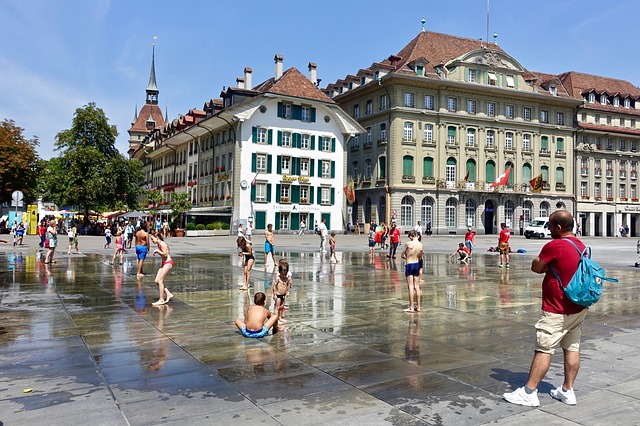
Daily Activities
From the moment we wake up to the time we go to bed, our day is filled with small, simple actions. These verbs reflect real life activities, making them familiar, practical, and easy for students to step into and perform.
- Wake up
- Brush teeth
- Take a shower
- Get dressed
- Eat breakfast
- Drink water
- Make the bed
- Pack a bag
- Walk
- Run
- Open a door
- Sit down
- Stand up
- Read
- Write
- Call (on the phone)
- Cook
- Clean
- Watch TV
- Sleep
School Actions
This category of verbs mirror what students already do every day, which makes acting them out feel natural and instantly recognizable.
- Raise hand
- Write
- Read
- Draw
- Erase
- Open a book
- Close a book
- Take a test
- Ask a question
- Answer a question
- Listen
- Talk
- Pass a note
- Pack backpack
- Carry books
- Sit at a desk
- Stand in line
- Hand in homework
- Share supplies
- Study
Sports and Exercise
Ah, now for one of the most exciting categories… the high-energy moments! This is where movement takes the spotlight and the room instantly comes alive. Verbs in this category will bring laughter, friendly competition, and plenty of action, making them a great option for keeping everyone engaged and on their feet.
- Run
- Jump
- Kick
- Throw
- Catch
- Swim
- Climb
- Lift
- Push
- Pull
- Stretch
- Dance
- Cycle
- Ski
- Skate
- Punch
- Swing (like a bat)
- Dribble
- Dive
- Sprint
Emotions/States
Here, the focus shifts from large movements to subtle expression. Students may need to observe closely, interpret carefully, and communicate feelings in thoughtful and creative ways.
- Laugh
- Cry
- Smile
- Frown
- Yawn
- Sigh
- Shiver
- Tremble
- Relax
- Panic
- Worry
- Daydream
- Blush
- Sleep
- Celebrate
- Cheer
- Complain
- Apologize
- Frustrate
- Surprise
Household Chores
The following actions reflect the small but important tasks that keep a home running smoothly. Because they are part of everyday life, students can easily picture and perform them, making learning feel practical and familiar.
- Sweep
- Mop
- Wash dishes
- Vacuum
- Dust
- Make the bed
- Fold clothes
- Iron
- Take out the trash
- Clean windows
- Cook
- Bake
- Wash clothes
- Water plants
- Organize
- Set the table
- Clear the table
- Wipe surfaces
- Load the dishwasher
- Clean the fridge
Hobbies
This category highlights what people enjoy doing in their free time. It allows students to express interests and passions while building vocabulary naturally.
- Paint
- Draw
- Sing
- Dance
- Play guitar
- Play piano
- Play video games
- Read
- Knit
- Crochet
- Bake
- Garden
- Fish
- Hike
- Run
- Swim
- Take photos
- Play chess
- Write
- Meditate
Occupations
Professional roles encourages imagination and helps students connect language to real-world responsibilities and career paths.
- Teach
- Cook
- Drive
- Clean
- Build
- Paint
- Fix
- Deliver
- Serve (food or drinks)
- Sell
- Farm
- Nurse
- Write
- Shop
- Repair
- Care (for children or patients)
- Lead (a team)
- Perform (on stage)
- Manage
Travel/Outdoors
This group captures experiences beyond the classroom walls. Verbs in this category invite big gestures, vivid imagination, and dynamic scenes that make learning feel open, active, and exciting.
- Hike
- Camp
- Swim
- Fish
- Climb
- Explore
- Drive
- Fly (in a plane)
- Sail
- Paddle
- Ski
- Skate
- Run
- Cycle
- Picnic
- Walk
- Photograph
- Surf
- Travel
Food and Eating
These are verbs that highlight experiences around meals, snacks, and celebrations, making it relatable and easy to act out. The familiar context helps students connect language to real-life routines in a fun and natural way.
- Eat
- Drink
- Chew
- Swallow
- Bite
- Sip
- Taste
- Cook
- Bake
- Fry
- Boil
- Grill
- Chop
- Stir
- Peel
- Pour
- Serve
- Mix
- Slice
- Spread
Animal Actions
Animal actions provide a great opportunity to think beyond human actions and encourages exaggerated gestures, creativity, and laughter.
- Bark
- Meow
- Roar
- Purr
- Hop
- Crawl
- Slither
- Fly
- Swim
- Gallop
- Jump
- Climb
- Scratch
- Dig
- Nest
- Hunt
- Peck
- Chase
- Wiggle
- Growl
Types of Verbs

Action Verbs
Action verbs describe something that can be done. They show physical or mental activity i.e what someone or something does. These verbs often involve movement, change, or effort, and they can usually be acted out or clearly demonstrated in a sentence.
- Run
- Jump
- Kick
- Throw
- Catch
- Dance
- Swim
- Climb
- Push
- Pull
- Lift
- Crawl
- Slide
- Hop
- Spin
- Bend
- Punch
- Swing
- Kick
- Chase
Linking Verbs
Linking verbs connect the subject of a sentence to more information about it. Instead of showing action, they describe a state of being or condition. They link the subject to a noun, pronoun, or adjective that explains or identifies it.
- Appear
- Become
- Feel
- Look
- Sound
- Taste
- Smell
- Stay
- Remain
- Grow
- Turn
- Prove
- Exist
- Lie (as in “to recline”)
- Stand
- Act (as in “act crazy”)
Regular Verbs
Regular verbs follow a predictable pattern when forming the past tense and past participle, usually by adding -ed to the base form. Their consistent structure makes them easier to learn and use in different tenses.
- Walked
- Jumped
- Cooked
- Cleaned
- Danced
- Played
- Painted
- Watched
- Talked
- Listened
- Opened
- Closed
- Laughed
- Smiled
- Brushed
- Folded
- Helped
- Shouted
- Grabbed
- Waved
Irregular Verbs
Irregular verbs do not follow the standard -ed pattern for past tense and past participle forms. Each one has its own unique changes, making them important to memorize and practice in context.
- Go → went
- Eat → ate
- Drink → drank
- Run → ran
- Sleep → slept
- Swim → swam
- Take → took
- Write → wrote
- Speak → spoke
- Begin → began
- Drive → drove
- Sing → sang
- Bring → brought
- Catch → caught
- Build → built
- Fall → fell
- Sit → sat
- Stand → stood
- Hide → hid
- Fly → flew
Transitive Verbs
Transitive verbs require a direct object to complete their meaning. They show an action that is done to someone or something, making the object essential for the sentence to make sense. These verbs need a direct object, so players can act out the action along with an imaginary or real object:
- Build (a tower)
- Kick (a ball)
- Throw (a frisbee)
- Catch (a hat)
- Push (a chair)
- Pull (a rope)
- Lift (a box)
- Carry (a bag)
- Open (a door)
- Close (a window)
- Wash (the dishes)
- Paint (a wall)
- Read (a book)
- Write (a letter)
- Cut (paper)
- Chop (vegetables)
- Serve (food)
- Pack (a suitcase)
- Hit (a ball)
- Shake (hands)
Intransitive Verbs
Intransitive verbs do not take a direct object. The action stays with the subject and does not transfer to anything else, so the verb alone completes the meaning of the sentence.
- Run
- Jump
- Sleep
- Sit
- Stand
- Walk
- Swim
- Fall
- Laugh
- Cry
- Sneak
- Crawl
- Dance
- Fly
- Wait
- Arrive
- Leave
- Yawn
- Shiver
- Relax
Modal Verbs
Modal verbs are special auxiliary verbs that express possibility, ability, necessity, or permission. They are used alongside a main verb to add meaning, such as can, should, must, or may. Modal verbs don’t show action on their own, so you can act them out with a main verb to make the meaning clear:
- Can jump
- Can run
- Could swim
- Could dance
- May cook
- May write
- Might climb
- Might sing
- Must lift
- Must push
- Shall read
- Shall throw
- Should catch
- Should clean
- Will drive
- Will paint
- Would hide
- Would carry
- Can help
- Must smile
Phrasal Verbs
Finally, Phrasal verbs are combinations of a verb and one or more particles (prepositions or adverbs) that create a new meaning. The resulting expression often cannot be understood literally, making them unique and versatile in everyday language.
- Wake up
- Sit down
- Stand up
- Turn on
- Turn off
- Pick up
- Put down
- Run away
- Break down
- Throw away
- Look after
- Look for
- Get up
- Lie down
- Go out
- Come in
- Climb up
- Drop off
- Hang up
- Take off
You are probably asking about Helping (Auxiliary) Verbs…Well, helping verbs work alongside a main verb to create different tenses, moods, or voices. They don’t show action on their own but are essential for forming questions, negatives, and continuous or perfect verb forms. We have not included them in this list because they are tricky to act out considering that they don’t show action on their own. The only way you can act them out in charades is probably to pair them with a main verb so the action becomes clear.