
Medical Charades: Generator + List of 220 Ideas
Medical Charades Generator
Ready to play?
Click the button below to start!
Previous Charades
Medical Charades Ideas
From time to time, many children are asked the classic question, “What would you like to be when you grow up?” Among the many careers they mention, one that often stands out is the medical profession. But do these young learners truly understand what these careers involve, or are they just throwing out their dream jobs? One fun way to explore this is through games—my personal favorite being charades.
For example, you can challenge children with a medical-themed charades game. While such games aren’t a substitute for real-life experience, they provide a fun and interactive way to explore the world of healthcare. Medical charades can spark curiosity about common illnesses, symptoms, and treatments, highlight healthy habits, and let players imagine what it’s like to care for patients or work in healthcare, all while having a great time.
Medical charades games are educational too. They can complement science lessons and help students learn through discussion and imaginative experiences. The knowledge gained from these games can reinforce classroom learning and even inspire future careers in healthcare, from essential worker roles to medical school.
Like any charades game, having a ready list of ideas is key to keeping the game smooth and fun. Stopping mid-game to think of new challenges can slow things down—but don’t worry, we’ve got you covered! Below is a comprehensive list of Medical Charades ideas that you can use to keep participants engaged and entertained.
If you’d rather jump straight into a game, use the Medical charades generator above to instantly get medical-themed charades prompts. Looking for charades inspiration beyond the medical theme? Use our random charades ideas generator to discover fun ideas from all walks of life.
Acting out Medical Charades
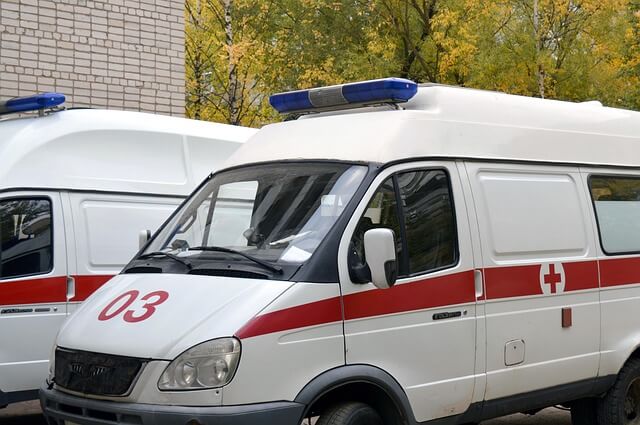
To make guessing easier for participants, it’s important to understand how to act out medical charades effectively. Generally, the same rules and strategies of regular charades apply, but here are some quick tips tailored for this category:
- Use simple actions: Pretend to take a patient’s pulse, check a chart, or administer medicine to represent doctors, nurses, or other healthcare professionals.
- Exaggerate movements: For example, hop on one leg to show a broken leg or shiver to indicate a fever—these help convey illnesses or injuries clearly.
- Incorporate props: Real or imaginary props, like a stethoscope, bandage, or thermometer, can make it easier for others to guess correctly.
- Act out medical roles: Players can mimic surgeons performing an operation, paramedics rushing a patient, or a dentist treating teeth, offering a wide variety of scenarios.
- Adjust for age: For younger children, focus on well-known roles and obvious symptoms to keep the game accessible and fun. For older kids, teens, or adults, you can introduce more complex procedures and medical scenarios to increase the challenge.
List of Medical Charades Ideas
Medical Professions
Let’s start with the people who keep hospitals running and patients smiling. Acting out medical professions is a great warm-up because most roles are instantly recognizable and watching someone dramatically play a doctor or nurse never gets old.
- Doctor
- Nurse
- Surgeon
- Dentist
- Paramedic
- Pharmacist
- Pediatrician
- Veterinarian
- Physical Therapist
- Radiologist (taking X-rays)
- Optometrist (eye exams)
- Psychiatrist
- Midwife
- Anesthesiologist (putting a patient to sleep)
- Chiropractor
- Home Care Nurse
- First Aid Responder
- Hospital Receptionist
Common Illnesses and Conditions
Ah yes, the everyday ailments we all know a little too well. From sniffles to stomachaches, participants will find this category easy to act out and even easier to laugh at, especially when someone goes over the top with their symptoms.
- Common cold
- Flu
- Fever
- Headache
- Stomachache
- Toothache
- Cough
- Sore throat
- Allergy (sneezing, itchy nose)
- Back pain
- Earache
- Nausea
- Dizziness
- Asthma attack
- Rash
- Food poisoning
- Sunburn
- Fatigue
- Motion sickness
- Migraine
Body Parts and Systems
Acting out body parts or systems can be tricky, but that’s half the fun. Big gestures and exaggerated movements are key here, so don’t be shy about hamming it up.
- Heart
- Lungs
- Brain
- Stomach
- Bones
- Muscles
- Arm
- Leg
- Eyes
- Ears
- Teeth
- Skin
- Digestive system
- Respiratory system
- Circulatory system
- Nervous system
- Immune system
- Spine
- Joints
- Hands
Medical Tools and Equipment
This is another category that participants will find easy and fun to act a single motion can say it all. An invisible stethoscope or thermometer, for instance, can spark instant guesses and plenty of laughs.
- Stethoscope
- Thermometer
- Syringe
- Bandage
- Crutches
- Wheelchair
- Blood pressure cuff
- IV drip
- First aid kit
- Oxygen mask
- Hospital bed
- Defibrillator
- X-ray machine
- Scalpel
- Face mask
- Gloves
- Hearing aid
- Inhaler
- Eye chart
- Medical clipboard
Hospital Rooms and Settings
This category will go a long way in letting players build mini-scenes, which makes guessing more interactive and entertaining.
- Emergency room
- Operating room
- Waiting room
- Patient ward
- Intensive care unit (ICU)
- Maternity ward
- Pediatric ward
- Doctor’s office
- Hospital pharmacy
- Ambulance
- Recovery room
- Radiology / X-ray room
- Physical therapy room
- Nurse’s station
- Hospital hallway
- Blood donation center
- Triage area
- Examination room
- Dental clinic
- Hospital reception
Symptoms and Feelings
This category is all about expression. From coughing fits to dizzy spins, symptoms are fun to exaggerate and easy for others to recognize. The more dramatic you are, the better the guesses will be.
- Coughing
- Sneezing
- Shivering
- Fever
- Headache
- Dizziness
- Nausea
- Fatigue
- Pain
- Shortness of breath
- Itching
- Sweating
- Chills
- Anxiety
- Sadness
- Confusion
- Weakness
- Sleepiness
- Panic
- Relief
Treatments and Procedures
Here’s where things may start to feel serious but still fun. Players will get a chance to role-play and get theatrical, especially when they commit fully to the scenarios.
- Giving an injection
- Taking medicine
- Bandaging a wound
- Surgery
- Physical therapy
- Getting stitches
- Measuring blood pressure
- CPR
- X-ray scan
- Vaccination
- Applying ointment
- Dental checkup
- Eye exam
- Blood test
- Using an inhaler
- Putting on a cast
- Cleaning a wound
- IV treatment
- Ultrasound scan
- First aid treatment
Healthy Habits
Not everything in medicine is about being sick. This category focuses on staying well, and it’s perfect for younger players.
- Washing hands
- Brushing teeth
- Exercising
- Drinking water
- Eating vegetables
- Getting enough sleep
- Stretching
- Going for a walk
- Wearing sunscreen
- Covering your mouth when coughing
- Eating fruits
- Meditating
- Using hand sanitizer
- Getting a health checkup
- Taking vitamins
- Cleaning up
- Resting when sick
- Wearing a seatbelt
- Staying hydrated
Emergency Situations
If you want to raise the energy in the room, this is the category to use. Emergency scenarios encourage fast-paced, exaggerated acting that keeps everyone engaged and guessing quickly.
- Calling an ambulance
- Performing CPR
- Choking
- Fainting
- Heart attack
- Fire in a building
- Car accident
- Someone stuck in water (drowning)
- Broken bone
- Seizure
- Severe allergic reaction
- Stroke
- Asthma attack
- Electrical shock
- Trapped in an elevator
- Animal bite
- Emergency childbirth
- House collapse
- Heavy bleeding
- Poisoning
Medicines and Remedies
From swallowing pills to using an inhaler, this category works best when players lean into the routine motions we all recognize. Simple actions go a long way here.
- Cough syrup
- Painkillers
- Antibiotics
- Eye drops
- Inhaler
- Vitamins
- Bandages
- Antiseptic cream
- Cold medicine
- Throat lozenges
- Nasal spray
- Fever medicine
- Hydration (drinking water for sickness)
- Antihistamines
- Heartburn medicine
- Anti-nausea medicine
- Ice pack
- Heating pad
- Herbal remedies
- Injection
Public Health and Safety
Finally, this category focuses on the bigger picture. Acting out things like vaccinations or health checkups is simple, familiar, and a nice way to round out your medical charades game.
- Getting a vaccination
- Wearing a face mask
- Washing hands
- Social distancing
- Visiting a doctor for a checkup
- Covering your mouth when coughing
- Quarantining
- Taking medicine as prescribed
- Using hand sanitizer
- Wearing gloves
- Wearing a helmet (bike safety)
- Putting on a seatbelt
- Fire drill
- Calling 911 in an emergency
- Using a smoke detector
- Donating blood
- Eating healthy to stay well
- Exercising regularly
- Drinking water for hydration
- Disposing of trash safely